
Biohacking
Continuous Glucose Monitors for Non-Diabetics: What They Actually Tell You
Whether a CGM is worth wearing without diabetes: what the curve means, what it doesn't, real OTC prices, and the overinterpretation mistakes to skip.
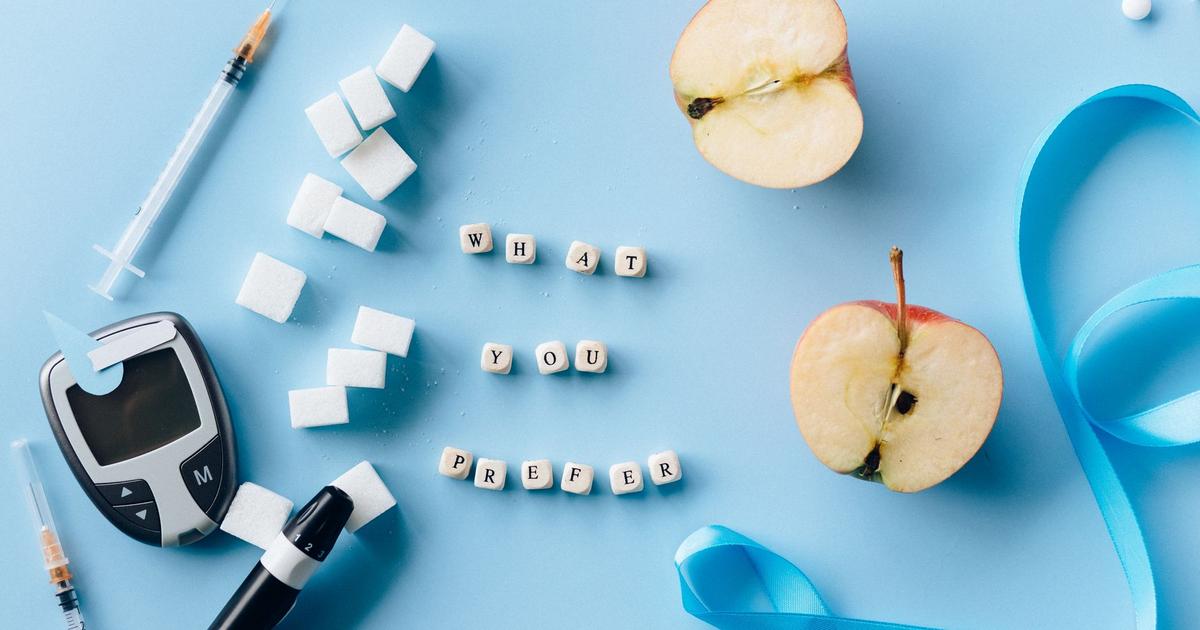
A continuous glucose monitor (CGM) reads glucose in the fluid under your skin every few minutes and charts it as a line. That line was prescription-only for years, reserved for people with diabetes. Since 2024, anyone can buy one over the counter. The pitch to non-diabetic buyers: the curve reveals something an annual blood panel can't, how your own body responds to a specific meal, in real time. It does that. It also gets over-read constantly, by apps built to flag "spikes" and by buyers who mistake a normal fluctuation for a diagnosis.
Medical disclaimer. I'm not a physician. This is personal research and general information, not medical advice, and nothing here diagnoses or manages diabetes, prediabetes, or any other condition. Talk to a doctor before changing medication, diet, or exercise based on a device reading, especially if you have an existing condition.
Affiliate disclosure. This post may contain affiliate links to some of the products named below. If you buy through one, I may earn a commission at no cost to you. That has not shaped which device I describe more favorably; the differences below come from each company's own published specs and FDA clearance filings, not from payout size.
Bottom Line. (1) A CGM measures interstitial fluid glucose, not blood glucose directly. A 2025 trial found it reads about 16 mg/dL high on average, both fasting and after meals — treat the number as directional, not exact. (2) The two current OTC options differ in clearance: Dexcom Stelo covers non-insulin-using type 2 diabetics and non-diabetics; Abbott Lingo is wellness-only, not cleared for anyone with diabetes. (3) Normal non-diabetic glucose already varies more than most buyers expect. A multicenter study found glucose inside 70-140 mg/dL 96% of the time, so an occasional reading outside that band is not evidence of a problem. (4) The best-supported single action: time a walk about 20 minutes before your usual post-meal peak. A 2025 review found this cut the insulin response by 28.7%. (5) Two weeks is enough to learn your own patterns. Wearing one indefinitely mostly generates noise, and for some users, food anxiety.
In this article:
- What a CGM Actually Measures, and Where the Number Gets Fuzzy
- The OTC Options Now: Stelo, Lingo, and Why They're Cleared Differently
- How to Read Your Own Glucose Curve Without a Diagnosis
- The Overinterpretation Mistakes That Turn a Two-Week Test Into a Bad Habit
- Who Should Skip This Entirely
- How I Researched This
- Frequently Asked Questions
What a CGM Actually Measures, and Where the Number Gets Fuzzy
A CGM sensor sits under the skin and measures glucose in interstitial fluid, the thin layer of liquid between cells, then estimates blood glucose from that reading. The two readings are not identical, and the gap is largest exactly when you're trying to learn something: right after a meal.
A 2025 randomized crossover trial had 15 healthy adults without diabetes eat standardized meals while wearing a CGM alongside capillary blood sampling. The CGM overestimated glucose by an average of 0.9 mmol/L (about 16 mg/dL), at both fasting and after meals. Even after adjusting for that baseline bias, it still overestimated the time spent above 140 mg/dL by roughly two-fold (Hutchins et al., American Journal of Clinical Nutrition, 2025, retrieved 2026-09-06). The same study found the sensor misclassified a fruit smoothie as high-glycemic-index, when capillary sampling scored it low-to-medium. In practical terms: your device's "spike" alert after a specific food may be measuring the sensor's bias as much as your metabolism.

This is a device-accuracy finding, not a reason to distrust the whole category. A CGM used for biohacking purposes is still useful for relative comparisons — did meal A spike higher than meal B, on the same sensor, in the same week — even when the absolute number runs a little hot.
The OTC Options Now: Stelo, Lingo, and Why They're Cleared Differently
Two over-the-counter CGMs are sold directly to non-diabetic buyers in the US, and they aren't interchangeable on paper.
Dexcom Stelo was the first, cleared by the FDA on March 5, 2024 (FDA news release, retrieved 2026-09-06). It's cleared for adults 18 and older who don't use insulin, a group spanning type 2 diabetics on oral medication and non-diabetics who want to see how food, exercise, and stress move their glucose. Each sensor lasts up to 15 days and reports a reading every 15 minutes to a phone app. Pay-as-you-go pricing runs $99 for a two-sensor, 30-day pack, or $89 a month on subscription (Dexcom investor announcement, retrieved 2026-09-06).
Abbott Lingo followed in September 2024, cleared June 10, 2024 explicitly as a health-and-wellness device (Abbott press release, retrieved 2026-09-06). It's explicitly not cleared for anyone with diabetes, a narrower lane than Stelo's. Sensors last 14 days. Abbott sells it in tiered programs rather than a flat subscription: $49 for one two-week sensor, $89 for a four-week starter pack, or $249 for a twelve-week "Transform" program (Abbott/Lingo, retrieved 2026-09-06).

Both undercut a prescription CGM bought without insurance by a wide margin. Dexcom's own savings program advertises "over 50%" off its cash sensor price (Dexcom savings center, retrieved 2026-09-06). That implies a list price several times the OTC rate, even after the discount. Check current pricing before buying either OTC option. Both companies have moved prices and program terms since launch, and a device I describe here at $89 could be $79 or $109 by the time you read this.
How to Read Your Own Glucose Curve Without a Diagnosis
The single most useful skill a two-week CGM experiment teaches is what your own normal range looks like. "Normal" without diabetes is wider than most first-time wearers expect. A twelve-center prospective study followed 153 healthy, non-diabetic participants. It found mean glucose of 98-99 mg/dL for most age groups, a within-person coefficient of variation of 17% ± 3%, and glucose inside the 70-140 mg/dL band a median 96% of the time (Shah et al., Journal of Clinical Endocrinology & Metabolism, 2019, retrieved 2026-09-06).

That 4% outside the band is the detail most apps don't surface well. Some time above 140 mg/dL after a carbohydrate-heavy meal is normal physiology in someone without diabetes, not a red flag. The one pattern worth acting on is timing, not the peak itself. A 2025 systematic review covered seven studies and roughly 1,127 non-diabetic participants. Walking about 20 minutes before your individual post-meal glucose peak cut the insulin response by 28.7% compared to sitting, beating walking at the peak too (Cureus systematic review, 2025, retrieved 2026-09-06). The same review found direct evidence on blood pressure or lipids was rarely even measured. A CGM tells you when to walk. It doesn't tell you whether the walk changed anything else worth tracking.
Personal data. My own protocol is looser than the structured wear this article recommends, and that's the honest finding: I wear a Freestyle Libre roughly once a year as a spot-check rather than a continuous two-to-four-week block, and across every check to date I haven't seen a meaningful post-meal spike. I don't have exact time-in-range percentages logged from those wears, and I won't invent them. What that annual cadence trades away is the finer-grained "which specific meal moved the curve" data a full 30-day wear gives you — reasonable for someone with no risk signal on the metabolic side, not a substitute for the real experiment if you have any reason to suspect a problem.
The Overinterpretation Mistakes That Turn a Two-Week Test Into a Bad Habit
A narrative review published in Medicina in 2026 raises a real concern here. Its own authors frame it as hypothesis-generating, not a systematic review, so treat it as a flagged issue rather than settled evidence. The argument: normal, non-pathological glucose variability can be misread as a health threat by non-diabetic CGM users, fostering anxiety, hypervigilance around food, and orthorexic eating patterns. The authors recommend screening for a personal or family history of disordered eating, or clinically significant anxiety, before starting CGM-guided dietary change (Văcărescu & Cozma, Medicina, 2026, retrieved 2026-09-06).
The three mistakes I'd flag from the data above, specifically:
- Treating a single "out of range" alert as a verdict. Given that 4% of time outside 70-140 mg/dL is normal in healthy people, one flagged reading after one meal is a data point, not a trend.
- Chasing a flat line. A CGM that never shows a rise means you're eating almost no carbohydrate, not that you've optimized anything; some postprandial rise is expected physiology.
- Wearing it past the question it can answer. Once you know your peak-timing and which meals spike you relative to others, more weeks mostly buy anxiety and subscription cost, not new information. If the goal is a durable energy stack rather than glucose-watching, the supplements for focus and energy I've actually kept using cost less and require no app.
Who Should Skip This Entirely
- Anyone with a history of disordered eating or significant food anxiety. The Medicina review's caution applies directly; a glucose graph is the wrong tool to hand someone prone to hypervigilant food tracking.
- Anyone already managing diabetes. This device category and this post are both aimed at people without a diagnosis; a diabetic CGM decision belongs with a prescriber, not a wellness biosensor.
- Anyone chasing a deficiency that isn't glucose. If fatigue is the actual complaint, a vitamin B12 supplements for energy check or a broader blood biomarker testing panel answers more questions per dollar than two weeks of glucose data.
- Anyone who already does the two things the data supports. If you already walk after meals and eat consistent whole-food carbohydrate sources, a CGM will mostly confirm what you could have assumed.
How I Researched This
I compared Stelo and Lingo using each company's own current FDA filings, press materials, and product pages, plus the peer-reviewed and narrative-review literature on CGM accuracy and psychological effects in non-diabetic users cited throughout this post. My own firsthand data, described above, is an annual spot-check rather than the continuous 30-day wear I'd want before drawing firmer conclusions about either specific device — I'll update that section if I run the longer test.
Frequently Asked Questions
Do I need a prescription for a CGM if I don't have diabetes?
No. Dexcom Stelo and Abbott Lingo are both FDA-cleared for over-the-counter sale, so no prescription or doctor visit is required to buy either one (FDA news release, retrieved 2026-09-06).
Is Stelo or Lingo more accurate?
Neither company has published head-to-head accuracy data against each other in non-diabetic users. What's better documented is device bias against blood glucose generally: one 2025 trial found CGM readings ran about 16 mg/dL high on average in healthy adults, a gap likely shared by any interstitial-fluid sensor rather than unique to one brand (Hutchins et al., 2025, retrieved 2026-09-06).
Can a CGM tell me if I'm prediabetic?
No. Neither Stelo nor Lingo is cleared to diagnose prediabetes or diabetes, and an occasional elevated reading in a non-diabetic person is common physiology, not a diagnosis. A fasting glucose or A1c blood test through a clinician is the tool for that question.
How long should I actually wear one?
Long enough to test a handful of your usual meals and the pre-meal-walk timing described above — for most people that's the two-week window a single Stelo cycle or Lingo Learn sensor already covers, not an ongoing subscription.
A continuous glucose monitor for non-diabetic users answers one question well: how does my body, specifically, respond to this meal and this amount of movement around it. It answers "am I healthy" badly, because normal non-diabetic glucose already swings more than the apps imply, and the sensor itself reads high often enough to manufacture false alarms. Run the two-week experiment, act on the one finding with real support — walk before the peak — and take the device off once you've learned it.
About this guide. Written by Nate Harmon, an operator and self-experimenter documenting personal protocols in biology for Peak Human Ops. Not a physician or a licensed adviser. Sources are tier 1-3 peer-reviewed and FDA/manufacturer primary sources, linked inline with a retrieval date. This post may contain affiliate links, disclosed above the fold. How this site is written and corrected is set out in the editorial policy and the corrections log. Who is behind it is on the about page, and you can contact me directly.