
Biohacking
Blood Biomarker Testing: The Panel Worth Running Once a Year
Which blood biomarkers are actually worth tracking annually as a healthy adult, and how to read the panel like a P&L, not a pass/fail.
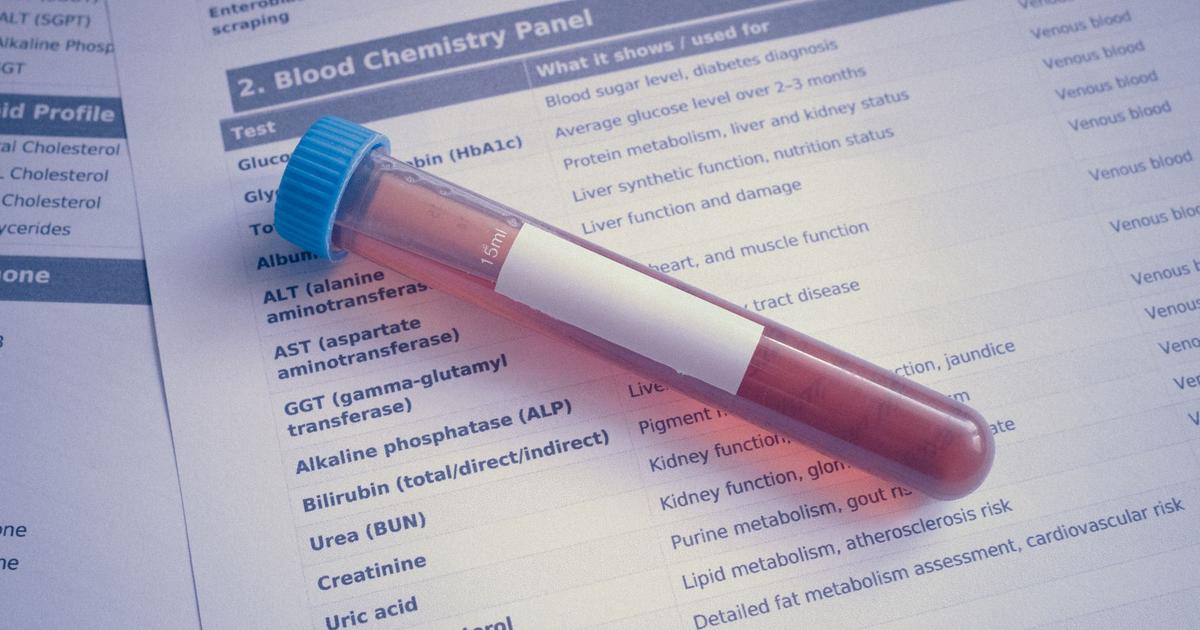
A standard lab reference range is built to cover the central 95% of a healthy population's results (Testing.com — formerly AACC's Lab Tests Online, Laboratory Test Reference Ranges, retrieved 2026-09-06). That means the range was never designed to answer "is this normal for me." It answers "is this normal for a large group of strangers." Those are different questions, and confusing them is why so many people either panic over a borderline number or ignore a real trend because it never crossed a line on a page. This is the panel I run once a year, the 14 markers worth including in it, and the trend-reading habit that matters more than any single result.
Medical disclaimer. I'm not a physician. This is personal research and general information, not medical advice, and nothing in this post diagnoses or treats any condition. Talk to a doctor about your own results, your own history, and before changing any protocol based on a lab value.
Bottom Line. (1) A "normal range" is a population statistic covering the middle 95% of healthy people, not a personal target — treat any single result as a data point, not a verdict. (2) The panel worth running annually covers 14 markers across four systems: cardiometabolic (apoB, the standard lipids, Lp(a) once), glycemic (fasting glucose, HbA1c), iron and inflammation (ferritin, hs-CRP), and organ/baseline function (kidney, liver, thyroid, a CBC, vitamin D). (3) ApoB catches real cardiovascular risk that a standard LDL-only panel misses in a meaningful share of people. (4) You can order most of this panel yourself in nearly every US state without a doctor's referral. (5) The whole exercise is worthless without a second draw: one panel is a snapshot, two or three panels a year or more apart are a trend, and the trend is the only version of this data worth acting on.
In this article:
- Why "Normal Range" Isn't the Same Question as "Is This Trending the Right Way"
- The Panel: 14 Markers Worth Running Every Year
- What Each Marker Actually Tells You, Grouped by System
- How to Order the Panel Without a Diagnosis
- Reading the Trend Across Years, Not the Single Result
- How This Differs From an Epigenetic Clock or a Hormone Kit
- Frequently Asked Questions
Why "Normal Range" Isn't the Same Question as "Is This Trending the Right Way"
A reference range is drawn from roughly 120 or more people who fit a reference profile, then set at the 2.5th and 97.5th percentiles of their results (Testing.com — formerly AACC's Lab Tests Online, Laboratory Test Reference Ranges, retrieved 2026-09-06). By construction, 1 in 20 healthy people will land outside that range on any given marker, for no reason other than being on the tail of a normal distribution. Run a panel with more markers, and the odds that at least one comes back flagged climb fast, purely from that same math.

Real biomarkers correlate with each other more than that independence assumption allows, so the true odds on a real panel differ from this illustration. The direction doesn't change: a 14-marker panel gives a statistically normal, healthy person roughly a coin-flip's chance of seeing at least one number outside its printed range. That single flagged number is closer to noise than to news. What actually matters is whether a marker is moving in a direction and at a pace that means something, which requires a second data point, not a better-looking first one.
The Panel: 14 Markers Worth Running Every Year
Here's the panel, grouped by the system it reports on rather than alphabetically, because that's how you'll actually reason about a flagged result.

- Cardiometabolic (5): apolipoprotein B (apoB), LDL-C, HDL-C, triglycerides, lipoprotein(a) — Lp(a) only needs to be run once in your life, not annually.
- Glycemic (2): fasting glucose, HbA1c.
- Iron and inflammation (2): ferritin, high-sensitivity C-reactive protein (hs-CRP).
- Organ function and baseline (5): creatinine/eGFR (kidney), ALT (liver), TSH (thyroid), a complete blood count (CBC), and 25-hydroxy vitamin D.
That's a standard comprehensive metabolic panel plus a lipid panel plus three additions worth paying extra for: apoB, Lp(a), and hs-CRP. None of the three add meaningful cost to a lab order, and each closes a specific blind spot the basic panel leaves open, covered next.
What Each Marker Actually Tells You, Grouped by System
Cardiometabolic: apoB is the marker that actually counts risk. A standard panel reports LDL-C, an estimate of cholesterol mass carried in atherogenic particles. ApoB counts the particles directly, one apoB molecule per particle. In the UK Biobank, apoB and LDL-C values disagreed in 18% of participants, with the discordance rate ranging from 5.3% to 24.9% across the studies reviewed. In that discordant group, only apoB tracked with higher cardiovascular risk, not LDL-C (adjusted hazard ratio 1.23), among people without existing cardiovascular disease who weren't on a statin (APOLIPOPROTEIN B review, 2024, retrieved 2026-09-06). Asking your lab to add apoB to a standard lipid panel costs a few dollars and removes that blind spot. Lp(a) is the other cardiometabolic addition, and it's a one-time test: guidance from the American College of Cardiology supports measuring Lp(a) once in a lifetime as part of initial lipid screening, and newly updated 2026 dyslipidemia guidelines extend that once-in-a-lifetime recommendation to all adults, not just those with a family history of early heart disease (ACC, An Update on Lipoprotein(a), retrieved 2026-09-06; Family Heart Foundation, 2026 Dyslipidemia Guidelines, retrieved 2026-09-06). It's a one-time test because Lp(a) is largely genetically fixed; unlike LDL-C or apoB, lifestyle changes don't move it much. Risk-tier cutoffs vary slightly by professional society, but a commonly used version reads low risk below 30 mg/dL, intermediate 30-49 mg/dL, and high 50 mg/dL and above — the tiers charted below.

Glycemic: two views of the same system, on different timescales. Fasting glucose is a snapshot; a fasting result of 100-125 mg/dL signals prediabetes (NIDDK, Diabetes Tests & Diagnosis, retrieved 2026-09-06). HbA1c instead averages your blood glucose over roughly the prior three months, with a result under 5.7% considered normal and 5.7-6.4% flagged as prediabetes by the same source. Running both once a year, rather than either alone, catches the case where one test looks fine on the day you happened to fast strictly and the other tells the truer three-month story. If you want to see glucose behavior day-to-day instead of as an annual number, that's a different tool: my continuous glucose monitor breakdown covers what a two-week CGM experiment can and can't tell a non-diabetic.
Iron and inflammation: two markers that both misbehave when you're just sick. Ferritin reflects total iron stores, with a normal range roughly 15-205 ng/mL for women and 30-566 ng/mL for men (Cleveland Clinic, Ferritin Test, retrieved 2026-09-06). But ferritin is also an acute-phase protein: it rises with inflammation or infection independent of how much iron you're actually storing, so a single high reading during a cold means less than a repeatable pattern across draws. hs-CRP measures general inflammation, and a 2025 American College of Cardiology scientific statement now recommends near-universal hs-CRP screening in both primary and secondary cardiovascular prevention, citing a level at or above 2 mg/L as a risk-enhancing factor worth acting on (ACC, Prioritizing Health: hsCRP, retrieved 2026-09-06). Run both together and a spike in one without the other is a useful clue about what's actually going on.
Organ function and baseline: the panel's floor, not its highlight. Creatinine and the eGFR calculated from it flag whether your kidneys are filtering normally; ALT flags liver strain; TSH flags a thyroid running too fast or too slow, which mimics fatigue, weight change, and mood symptoms people often misattribute to sleep or stress. A CBC catches anemia and a handful of blood-cell abnormalities in one draw. Vitamin D is worth including because deficiency is common and cheap to correct once you know the number, and it's one of the few markers here where a single low reading is still actionable on its own, not just as a trend. None of these five markers is the star of the panel, but a full annual picture without them is a P&L with the balance sheet missing.
How to Order the Panel Without a Diagnosis
You don't need a diagnosis, or usually even a doctor's visit, to order most of this panel yourself. Direct-access testing — ordering your own labs and paying out of pocket, without a referring physician — is legal in the large majority of US states; New York and New Jersey are the notable exceptions, requiring an order from a licensed provider with an established relationship to you (ADLM, Direct Access Testing, retrieved 2026-09-06). Where it's available, the paths are the same ones behind most consumer lab brands: an online order that generates a requisition, a walk-in blood draw at a standard lab location, and results back in a portal within a few days to about a week, depending on which markers were included.
Two practical notes before you order. First, confirm the exact marker list before checkout — some panels bundle apoB or hs-CRP as add-ons rather than defaults, and it's easy to pay for a "comprehensive" panel that still skips the three additions that make this one worth running. Second, fasting matters for two of the 14: fasting glucose needs at least 8 hours, and a standard lipid panel is more comparable across years when drawn fasted too, even though current guidelines increasingly allow non-fasted lipids for general screening.
Personal data — pending measurement. This section will carry my own annual panel: the exact lab and order type I used, all 14 marker values from two consecutive years, and what changed in my routine between the two draws. Not filled in yet; I publish it once both draws exist, not before.
Reading the Trend Across Years, Not the Single Result
A single blood panel is one month of revenue: interesting, occasionally useful for catching an emergency, and nearly worthless for deciding whether the business is actually improving. The reason a P&L review matters is that it compares this quarter to last quarter and to the same quarter a year ago. A blood panel deserves the identical discipline: read it as a trend line, not as a one-off report card.
Concretely: draw the panel at roughly the same time each year, ideally the same season and similar recent sleep and training load, since acute state moves several of these markers more than a full year of aging does. Note what changed between draws, not just what the numbers were. A rising apoB alongside a new sedentary stretch tells a different story than the same rise alongside no lifestyle change at all — and a marker that's stable inside a wide range is a genuinely different result from one that jumped 40% and is merely still inside the line. The range tells you if a stranger would worry. The trend tells you if you should.
How This Differs From an Epigenetic Clock or a Hormone Kit
This panel measures organ function and disease risk directly, on markers with decades of clinical validation behind their reference ranges. It is a different product from the two other biomarker tests in this cluster, and the difference is worth being explicit about so you don't pay for the same information twice.
A biological age test — whether an epigenetic clock reading DNA methylation or a formula-based blood-biomarker age estimate — takes some of these same underlying signals (or, for DNA methylation clocks, an entirely different signal) and compresses them into a single "age" number, optimized for predicting mortality risk in large populations rather than for flagging a specific organ system. It's a useful second-order product built partly on top of this panel, not a replacement for it. At-home hormone test kits, meanwhile, use finger-prick or saliva collection to estimate a narrow set of reproductive and stress hormones — testosterone, cortisol, and similar — that this annual panel doesn't cover at all, and that carry their own timing and collection-method caveats worth reading before you trust a single result. Run this panel for the organ-and-risk baseline, add a biological age test if you want a single trackable number on top of it, and add a hormone kit only if you have a specific hormone-related question this panel can't answer.
Frequently Asked Questions
How much does a comprehensive annual blood panel cost?
Cost varies widely by country, insurance, and whether you order direct-access or through a physician visit; the three additions that matter most here — apoB, Lp(a), and hs-CRP — each typically add a modest amount over a standard metabolic and lipid panel rather than requiring a separate, expensive order.
Do I need a doctor to order these tests?
In most US states, no — direct-access testing lets you order and pay for your own labs without a referring physician, with New York and New Jersey as the main exceptions requiring a licensed provider's order (ADLM, Direct Access Testing, retrieved 2026-09-06). A doctor is still the right call for interpreting an abnormal result or deciding on treatment.
How often should I retest?
Annually for 13 of the 14 markers here. Lipoprotein(a) is the exception — test it once, since it's largely fixed by genetics rather than something that meaningfully shifts year to year for most people.
Is apoB really worth paying extra for over a standard lipid panel?
Yes, for most people. In the subset of people whose apoB and LDL-C disagree, 5.3% to 24.9% depending on the study, only apoB tracked with higher cardiovascular risk in the reviewed evidence (APOLIPOPROTEIN B review, 2024, retrieved 2026-09-06). It closes a real blind spot for a small add-on cost.
Can this panel diagnose a disease?
No. None of these 14 markers is diagnostic on its own; an abnormal or trending result is a reason to bring it to a physician for interpretation and further testing, not a standalone diagnosis.
A comprehensive annual panel is cheap insurance against the two failure modes that waste most people's health spending: chasing a flashy single test with no track record, and never measuring anything until a real problem is already symptomatic. Order the 14 markers above once a year, add Lp(a) once ever, keep the draws consistent, and read at least two years of results before you conclude anything. For the fundamentals this panel sits on top of, start with biohacking basics; for the two products that go deeper on specific signals this panel doesn't fully cover, see my cost-benefit read on epigenetic clocks and biological age tests and my comparison of finger-prick and saliva hormone kits.
About this guide. Written by Nate Harmon, an operator and self-experimenter documenting personal protocols in biology for Peak Human Ops. Nate has spent the past several years running his own biomarker, sleep, and portfolio tracking as one system, and publishes the numbers as they come in, not after the fact. Not a physician or a licensed adviser. Sources are tier 1-3 peer-reviewed and professional-body references — NIH/NIDDK, the American College of Cardiology, the Family Heart Foundation, the Association for Diagnostics & Laboratory Medicine, and Cleveland Clinic — linked inline with a retrieval date. How this site is written and corrected is set out in the editorial policy and the corrections log. Who is behind it is on the about page, and you can contact me directly.