
Biohacking
Biological Age Tests: Which Ones Are Worth the Money
A comparison of epigenetic and biomarker-based biological age tests: what each measures, what it costs, and what it can't tell you.
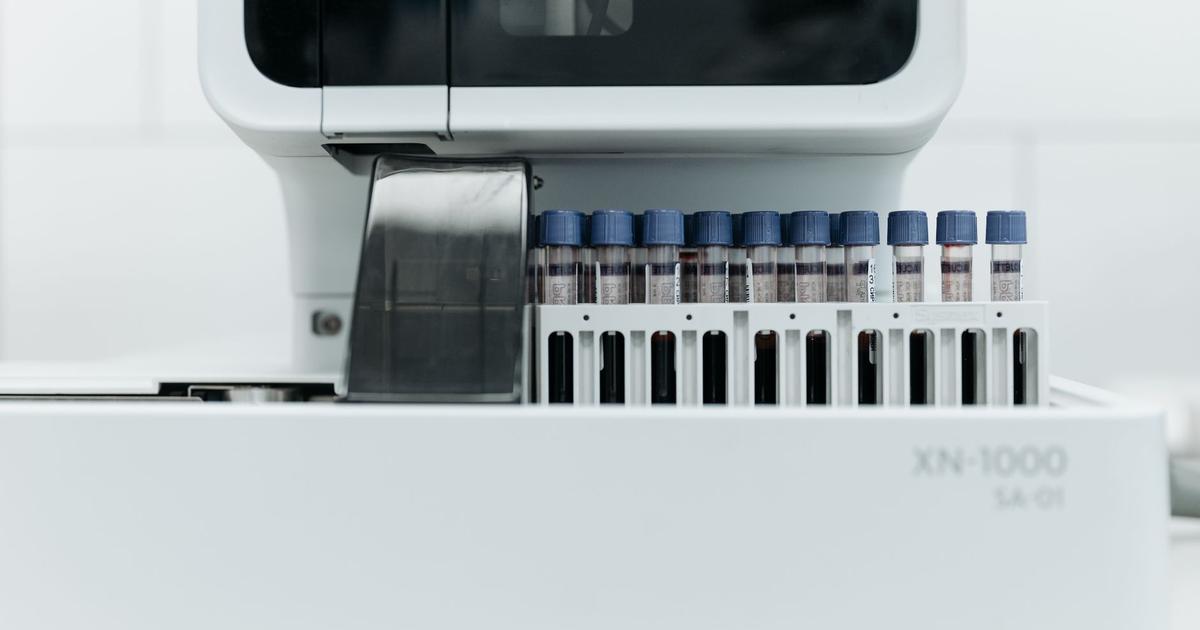
A biological age test cannot diagnose anything. No version of it, epigenetic or blood-based, is FDA-approved to guide a medical decision (FDA, Direct-to-Consumer Tests, retrieved 2026-09-06). What it can do is give you one more tracked number, the same way a P&L gives you a number instead of a feeling. The question worth answering before spending $200-$500 is which version of that number is backed by something real, and which is a nicely designed dashboard around noise.
Medical disclaimer. I'm not a physician. This is personal research and general information, not medical advice, and nothing here diagnoses or treats any condition. Talk to a doctor about your actual health, especially before changing any protocol based on a test result.
Affiliate disclosure. Some links below are affiliate links to the tests discussed. If you buy through them, I may earn a commission at no cost to you. That has no bearing on the ranking below — the validation evidence drove it, not the payout.
Bottom Line. (1) Epigenetic clocks (DNA methylation) and blood-biomarker panels measure aging through completely different biology, and neither one is diagnostic. (2) Of the two, DNA methylation clocks have the deeper mortality-prediction literature, but a landmark 2022 study found older clock versions can disagree with themselves by up to 9 years on the exact same sample. (3) TruDiagnostic and GlycanAge sit at the expensive end ($499 per test); InsideTracker's InnerAge 2.0 skips DNA methylation entirely, and Tally Health offers DNA methylation testing at a lower single-test price than TruDiagnostic. (4) Retest every 6-12 months, never monthly — the biology moves slowly and the test noise moves faster than your actual aging rate. (5) A single result is a data point, not a verdict; the trend across two or three tests is the only version of this number worth acting on.
In this article:
- Epigenetic Clocks vs. Biomarker-Panel Age Estimates: Two Different Methods, Two Different Limits
- The Five Tests Compared: Method, Cost, and What's Actually Validated
- What a Biological Age Number Can and Can't Tell You About Your Actual Risk
- How Often Retesting Is Worth It (It's Not Monthly)
- Who Should Actually Test, and Who Should Skip It
- How These Were Compared
- Frequently Asked Questions
Epigenetic Clocks vs. Biomarker-Panel Age Estimates: Two Different Methods, Two Different Limits
An epigenetic clock reads DNA methylation, chemical tags on your DNA that change in predictable patterns as you age, from a saliva or blood sample. A biomarker-panel estimate instead runs a formula over routine blood chemistry, things like glucose, albumin, and inflammation markers, and outputs an age number without ever touching your DNA.
Both approaches trace back to the same academic lineage. The first large validation study found that a 5-year gap between a person's DNA methylation age and their real age tracked with a 21% higher all-cause mortality risk, adjusted for age and sex (Genome Biology, Marioni et al., 2015, retrieved 2026-09-06). A few years later, researcher Morgan Levine folded 9 clinical blood biomarkers into a formula called PhenoAge, built from over 9,000 NHANES III participants. She then trained a DNA methylation version of it that outperformed earlier clocks at predicting those same mortality and disease outcomes (Aging, Levine et al., 2018, retrieved 2026-09-06).
That history shapes what each product on the market inherits. A DNA methylation test trades on deep epigenetic-clock literature, with real reliability problems documented below. A blood-biomarker test trades on simpler, more established markers you can partly sanity-check against your own past labs. Neither has been shown to beat the other at predicting your individual risk. For the biomarkers behind both approaches, the blood biomarker testing panel worth running once a year covers the same ground these formulas draw from.
The Five Tests Compared: Method, Cost, and What's Actually Validated
I compared five products spanning both methods, research-only (no hands-on testing of any kit), using each company's own pricing page and the peer-reviewed literature behind its method.
TruDiagnostic TruAge Complete — Method: DNA methylation, saliva sample, headline score is a newer multi-omic clock called OMICmAge. Cost: $499 one-time, or $249 per test on a Subscribe & Save plan (TruDiagnostic, retrieved 2026-09-06). Turnaround: several weeks. Validated: built on real DNA methylation science, but OMICmAge itself is newer and lacks the multi-decade track record older published clocks have.
GlycanAge — Method: blood-based, but neither methylation nor a standard panel — it measures IgG glycans, sugar structures on antibodies that shift with inflammation and immune aging. Cost: about $499 per test (GlycanAge, retrieved 2026-09-06). Turnaround: a few weeks. Validated: the company itself calls its score "probabilistic rather than deterministic," non-diagnostic, and most useful as a repeated-test trend.
Tally Health TallyAge — Method: DNA methylation via an at-home cheek swab. Cost: $219 per kit, or $129-$199/month for a membership bundling biannual testing with supplements (Tally Health, retrieved 2026-09-06). Turnaround: a few weeks. Validated: the same epigenetic-clock science as TruDiagnostic at a lower single-test price, with a company-recommended 6-month retest cadence.
InsideTracker InnerAge 2.0 — Method: blood biomarker panel, no DNA methylation; 14 biomarkers for women, 18 for men. Cost: $179 standalone, or $99 added to an existing InsideTracker blood test (InsideTracker, retrieved 2026-09-06). Turnaround: standard lab draw plus a few days. Validated: a proprietary algorithm, not the published PhenoAge formula, drawing on the same blood-chemistry category linked to aging outcomes.
DNAm PhenoAge, self-calculated — Method: the original published formula, 9 blood biomarkers plus chronological age, from the 2018 Levine paper above. Cost: $0 if a recent physical already ordered the right labs; otherwise one standard blood draw. Turnaround: as fast as the lab returns results. Validated: the actual peer-reviewed formula behind the mortality findings, no proprietary black box, at the cost of finding a calculator that implements it correctly.

The two DNA methylation kits at the top of that chart aren't overpriced by accident: methylation sequencing is a more complex lab process than a standard metabolic panel, and that cost gets passed straight through.
What a Biological Age Number Can and Can't Tell You About Your Actual Risk
Here's the direct answer: across large studies, people with an older-than-expected biological age carry higher average risk of age-related disease and earlier mortality. But it cannot tell you, from one test on one day, exactly how much risk you personally carry. It cannot diagnose any specific condition, either.
The gap between those two claims is wider than most marketing pages admit. A 2022 study tested six prominent DNA methylation clocks by running the same sample through each clock twice. The result: technical noise alone produced disagreements of up to 9 years between two readings of identical DNA (Nature Aging, Higgins-Chen et al., 2022, retrieved 2026-09-06). The same researchers tested a statistical fix: averaging methylation signal across principal components instead of individual sites. That fix brought most of those same clocks down to under 1.5 years of disagreement on a repeat test.

That fix matters as a buyer: the clock version matters as much as the company selling it. A product built on an older, uncorrected formula inherits that 9-year noise ceiling regardless of price. None of the five companies above publish which clock generation powers their current report — worth asking before you buy. The same logic applies to single-marker shortcuts: a lone B12 for energy reading is as weak a stand-in for a full biomarker picture as one isolated age number is easy to over-read.
How Often Retesting Is Worth It (It's Not Monthly)
The direct answer: 6-12 months, not monthly, and this is a case where the companies actually agree with the biology. Tally Health builds its membership around a 6-month retest cycle and says so on its own product page. TruDiagnostic's default Subscribe & Save cadence runs every 3-6 months, selected at checkout.
Two facts point to that window. Meaningful aging changes accumulate over months to years, not weeks, so a monthly test mostly re-measures the same state. And given the replicate noise documented above, a short interval risks mistaking test-to-test noise for a real change. A 6-12 month cadence gives a genuine intervention time to clear the test's own noise floor.
Personal data — pending measurement. This section will carry my own DNAm PhenoAge result, calculated from a standard blood panel I'm scheduling this quarter, alongside a second test 6 months later to see whether the number moves in the direction my other tracked biomarkers predict. I'll report the two numbers, the exact lab panel used, and what changed in my routine between draws. Not filled in yet: I publish it once both draws are complete, not before.
Who Should Actually Test, and Who Should Skip It
- You already have a full annual blood panel and want a single trend number: the free, self-calculated DNAm PhenoAge formula gets you 80% of the value for $0.
- You want the deepest epigenetic-clock literature behind your number and don't mind the price: TruDiagnostic, understanding the OMICmAge caveat above.
- You want DNA methylation testing at a lower single-test cost: Tally Health, with its built-in 6-month retest habit.
- You already distrust DNA methylation testing after reading the reliability data above: InsideTracker's InnerAge 2.0 skips it entirely and reuses blood work you may already have.
- You're curious about immune-system aging specifically, not overall biological age: GlycanAge measures a genuinely different signal, but treat it as exploratory, per the company's own "probabilistic" framing.
- You haven't fixed the basics yet: sleep, protein intake, and regular movement move more biomarkers than any test measures. Test after those are in place, not instead of them.
How These Were Compared
This is a research-only comparison: no kit here was purchased and tested hands-on. Each company's pricing page, sample type, and retest guidance were checked directly against the peer-reviewed literature cited throughout. Inclusion required a named method, a checkable price, a stated retest cadence, and a traceable link to published validation science. No company paid for placement, and order isn't weighted by affiliate payout.
Frequently Asked Questions
Which biological age test is most accurate?
None has been shown to be "most accurate" in a single head-to-head study across all five profiled here. DNA methylation clocks have the deeper mortality literature, but replicate noise on older clock versions can reach 9 years on the same sample (Nature Aging, Higgins-Chen et al., 2022, retrieved 2026-09-06). Treat any single result as a starting point, not a verdict.
Is a biological age test worth it?
It's worth it if you'll actually retest on a 6-12 month cadence and use the trend to check whether a real change, in sleep, training, or diet, is showing up in your biology. A single one-off test mostly buys you an interesting number and not much decision-useful information.
Can I lower my biological age?
Some studies link consistent sleep, resistance training, and a stable diet to favorable shifts in these same biomarkers over time. No test on this list, on its own, changes anything; it only measures what you already changed elsewhere.
Do these tests diagnose anything?
No. None of the five is FDA-approved as a diagnostic device, and every company selling one frames it as general wellness information rather than a medical test (FDA, Direct-to-Consumer Tests, retrieved 2026-09-06).
The expensive DNA methylation kits carry the deepest published science and the documented noise problem in the same package. The cheaper blood-panel options sidestep that noise by using simpler, more established biomarkers. Pick based on which tradeoff you can live with, retest on a schedule measured in months, and treat any single number the way you'd treat one month of revenue: interesting, not a conclusion. For the hormone-specific side of this same question, see at home hormone test kits, and for the fundamentals this all sits on top of, start with biohacking basics.
About this guide. Written by Nate Harmon, an operator and self-experimenter documenting personal protocols in biology for Peak Human Ops. Nate has spent the past several years running his own biomarker, sleep, and portfolio tracking as one system, and publishes the numbers as they come in, not after the fact. Not a physician or a licensed adviser. Sources are tier 1-3 peer-reviewed studies, the FDA, and each company's own pricing and methodology pages, linked inline with a retrieval date. This post contains affiliate links, disclosed above the fold. How this site is written and corrected is set out in the editorial policy and the corrections log. Who is behind it is on the about page, and you can contact me directly.