
Biohacking
Nootropics for Focus, Graded by Evidence
Which nootropics have real trial support for focus and working memory, ranked by evidence tier, with the popular options to skip named explicitly.
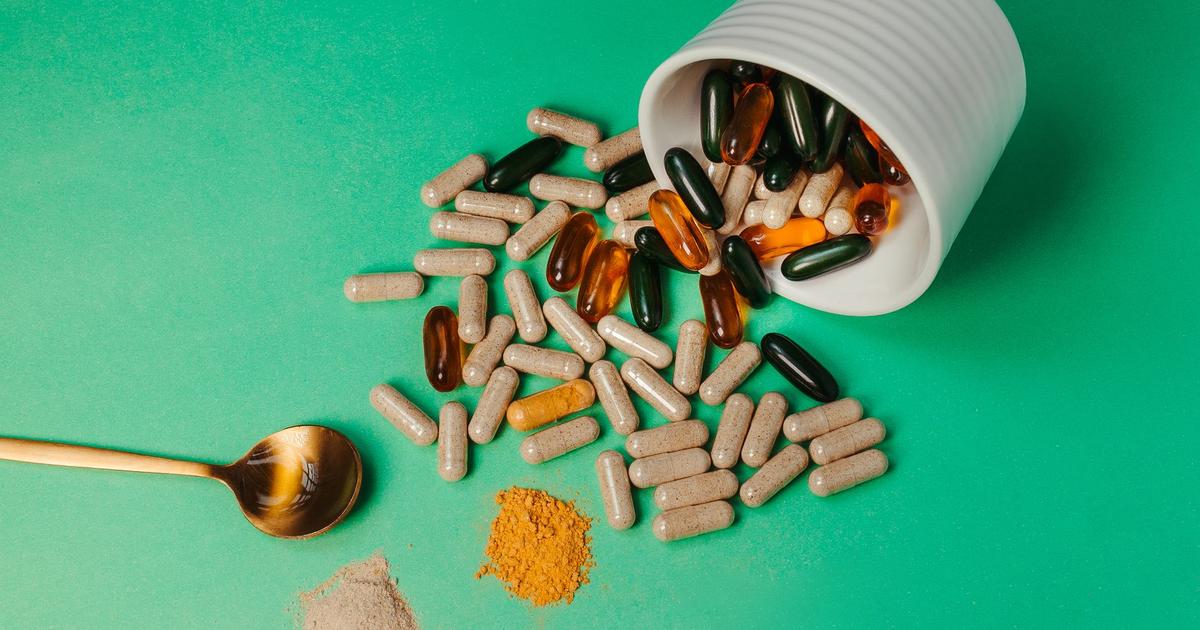
Every "best nootropics" list ranks the same dozen compounds by how loud their marketing is, not by what a randomized trial found. Caffeine, L-theanine, bacopa, racetams, and modafinil all show up in near-identical roundups next to the same vague promise: sharper focus. That framing hides a real split. Some of these have multiple controlled trials behind them. Others have one small study and a large internet following, or no controlled human trial at all. This post grades each compound by trial evidence, not by shelf presence, the same discipline I apply to every pick in the biohacking framework.
Medical disclaimer. I'm not a physician, and nothing here is medical advice or a recommendation to obtain a prescription-only compound without one. Several ingredients below interact with SSRIs, MAOIs, blood thinners, and other stimulant medication. Modafinil specifically requires a prescription in the US and carries its own interaction and misuse profile. Talk to a doctor before starting any nootropic, especially if you take other medication or have a diagnosed condition.
Bottom Line. (1) Caffeine plus L-theanine has the broadest trial base of anything in this category, though the effect sizes are inconsistent and much of the benefit may come from caffeine alone. (2) Bacopa monnieri and citicoline both show real, modest, dose-and-time-dependent effects on attention and memory — measured in weeks, not hours. (3) Racetams (piracetam) and rhodiola rosea have surprisingly weak 2024-2025 evidence for healthy-adult focus, despite heavy supplement-aisle presence. (4) Modafinil has genuine efficacy data in sleep-deprived people and a much thinner case in already-rested healthy adults — it's also prescription-only, and this post covers legal status and safety, not a how-to. (5) My own stack is smaller than this list, and I say exactly what's missing and why.
In this article:
- What "Nootropic" Actually Covers
- The Evidence-Graded Shortlist: Real Trial Support
- The Popular Picks With Weak or No Support
- Modafinil and Off-Label Prescription Use: What the Evidence and the Law Say
- Stacking Risk: Interactions and Diminishing Returns
- What I Take, and What I Don't
- Frequently Asked Questions
What "Nootropic" Actually Covers
"Nootropic" started as a narrow term. Romanian chemist Corneliu Giurgea coined it in 1972 for compounds meeting strict criteria: enhance memory, protect the brain, carry almost no side effects, and have no sedative or stimulant action of their own. Modern marketing ignores every one of those boundaries. Today the word covers anything sold to improve cognition, from a cup of coffee to a prescription wakefulness drug.
That grab-bag spans four genuinely different categories, and grading them the same way is a mistake:
- Common, food-derived compounds — caffeine, L-theanine — with the deepest trial base of anything here.
- Herbal extracts — bacopa monnieri, rhodiola rosea — with real but usually modest, slow-building effects.
- Synthetic compounds sold as supplements — racetams like piracetam — with a thin evidence base despite decades on the market.
- Prescription wakefulness drugs — modafinil — with real clinical trial data, but for narcolepsy and shift work, not for a rested professional wanting an edge.
This post does not cover prescription ADHD stimulants (Adderall, Ritalin) taken off-label, which are a separate regulatory and risk category outside this site's scope. It also doesn't re-run the numbers on creatine or B12, which I've already graded elsewhere: creatine's cognitive-energy case is in creatine supplements for energy, and B12 only helps if you're actually deficient, per my full best supplements for energy ranking.
The Evidence-Graded Shortlist: Real Trial Support
Caffeine Plus L-Theanine
This combination has the widest trial base of anything in the nootropic category, though "widest" doesn't mean "unambiguous." A 2025 systematic review and meta-analysis of tea-derived compounds pooled 16 randomized controlled trials, 484 participants total. It isolated several caffeine-plus-theanine comparisons specifically (Nutrition Reviews, Payne et al., 2025, retrieved 2026-09-06).
Attention-switching accuracy improved significantly at both hour one (standardized mean difference 0.40) and hour two (0.33) versus placebo, and simple reaction time improved at hour two (SMD −0.71). Digit vigilance accuracy showed a smaller, borderline effect (SMD 0.20). Subjective alertness did not reach significance in either direction. The authors' own caveat matters as much as the numbers: confidence intervals were wide enough that "the direction and magnitude of these differences" stayed uncertain for several outcomes.

Takeaway: the accuracy and reaction-time effects are real and replicated; the alertness boost people report may be mostly caffeine. For dosing ratio and daily sequencing, I cover that separately in my stacking guide rather than repeating it here.
Bacopa Monnieri
The foundational meta-analysis pooled nine randomized, placebo-controlled trials (518 subjects, 437 analyzed) of standardized Bacopa monnieri extract taken for 12 weeks or longer (Journal of Ethnopharmacology, Kongkeaw et al., 2014, retrieved 2026-09-06). It found a significant improvement in speed of attention (Trail B test, −17.9 ms versus placebo, p<0.001) and choice reaction time (10.6 ms faster, p<0.001), with low risk of bias across the included trials.
A newer network meta-analysis (25 trials, 1,861 healthy older adults) ranked a bacopa-containing formula first among ten plant compounds for executive function (Frontiers in Pharmacology, Feng et al., 2026, retrieved 2026-09-06). Read that one with a caveat: the formula combined bacopa with lycopene, astaxanthin, and B12, so the result reflects a stack, not isolated bacopa alone.
Practical takeaway: bacopa's real effect shows up in weeks 8-12 of consistent daily use, not day one. Standardized extracts at 300 mg/day (roughly 50% bacosides) match the trial dose most consistently used.
Citicoline (CDP-Choline)
A randomized, double-blind, placebo-controlled trial gave 100 healthy older adults 500 mg/day of citicoline or placebo for 12 weeks and measured episodic and composite memory scores (The Journal of Nutrition, Nakazaki et al., 2021, retrieved 2026-09-06). The citicoline group's composite memory score rose by a mean of 3.78 points versus 0.72 for placebo (p = 0.0052), with no serious adverse events. The trial ran in adults over 50, so the size of the effect in a rested 35-year-old professional is less established — but the mechanism (choline as a phospholipid precursor for cell membranes) and the dose-response pattern are consistent with citicoline's other published trials.
Takeaway: real, replicated, modest effect — closer to a slow-building nutrient correction than an acute focus switch.
The Popular Picks With Weak or No Support
Racetams (Piracetam)
Piracetam has been sold as a cognitive enhancer since the 1970s, and it's the compound most other "-racetams" are chemically modeled on. Its actual trial base sits almost entirely in people with existing memory impairment or post-stroke cognitive decline, not healthy adults chasing focus.
Even there, the record is weak. A 2001 Cochrane review concluded the evidence "is inadequate for clinical use" in dementia and cognitive impairment, though "sufficient to justify further research" (Cochrane Database of Systematic Reviews, Flicker & Grimley Evans, 2001, retrieved 2026-09-06). A 2024 systematic review and meta-analysis of piracetam in adults with memory impairment found no clinically meaningful difference in memory outcomes between piracetam and control groups (Neuropsychologia, 2024, retrieved 2026-09-06). There is essentially no rigorous trial testing piracetam for focus in healthy, non-impaired adults at all — the marketing claim and the evidence base target two different populations.
Rhodiola Rosea
Rhodiola's real evidence is in endurance performance — VO2max and time-to-exhaustion, covered in the ranked energy supplements post — not cognitive focus. A 2025 randomized, double-blind, crossover trial in 27 resistance-trained adults tested low-dose (200 mg) and high-dose (1,500 mg) rhodiola against placebo and a no-treatment control, using the Stroop test for cognitive performance (Nutrients, Koozehchian et al., 2025, retrieved 2026-09-06).
Every condition — including placebo — improved on the Stroop test relative to control, a clear practice effect. Low-dose rhodiola improved 37.7 items and high-dose 48.4 items over control, but high-dose only beat placebo itself by 21.6 items, and the researchers frame rhodiola's real benefit as physical (anaerobic strength output), not cognitive. A separate 2025 triple-blinded crossover trial in 18 healthy adults tested rhodiola against placebo directly on the Stroop test and a visual-tracking task under mental-fatigue conditions. It found "trivial-to-small effects" on both: most comparisons landed below a small effect size, and where an effect favored rhodiola, it was still small (Nutrients, Marcos-Frutos et al., 2025, retrieved 2026-09-06).

Takeaway: if you're buying rhodiola for endurance training, the evidence supports it. If you're buying it for mental focus specifically, you're mostly paying for a practice effect the placebo group got for free.

Summarized as a quick reference:
- Real trial support, effect measured in weeks: caffeine + L-theanine (attention/reaction time), bacopa monnieri (attention speed, 8-12+ weeks), citicoline (memory, 12 weeks).
- Weak or no support for focus specifically: rhodiola rosea (real evidence is endurance, not cognition), racetams/piracetam (trial base is impaired populations, not healthy focus).
- Prescription-controlled, different risk class entirely: modafinil (efficacy strongest in sleep-deprived populations; not a supplement-aisle decision).
Modafinil and Off-Label Prescription Use: What the Evidence and the Law Say
Modafinil is a Schedule IV controlled substance in the US, FDA-approved only for narcolepsy, obstructive sleep apnea with residual sleepiness, and shift-work sleep disorder (StatPearls, NCBI Bookshelf, retrieved 2026-09-06). It is not approved for cognitive enhancement in people without one of those diagnoses, and obtaining it for that purpose requires a prescription from a licensed physician — this post is not instructing otherwise, and gives no dosing guidance for that use.
The efficacy evidence itself splits along the same line as the legal one. Modafinil's clinical trial base is strongest in sleep-deprived or sleep-disordered populations, where restoring wakefulness is the tested outcome. In healthy, already-rested adults, systematic reviews describe the cognitive-enhancement evidence as mixed and modest, concentrated in complex planning and decision-making tasks rather than simple attention.
A 2024 online survey of 249 people found that off-prescription users of both drugs reported significantly higher rates of self-assessed ADHD-consistent symptoms than non-using controls: 34% of modafinil-only users and 49% of methylphenidate users, versus 11% of controls (Brain and Behavior, Teodorini et al., 2024, retrieved 2026-09-06). Both user groups also scored higher on procrastination than controls. The authors read that pattern as self-medication for perceived attention problems, not evidence of the drug reliably sharpening an already-functioning brain.

Takeaway: modafinil is real medicine for a real diagnosis, with a documented interaction and misuse profile of its own. Nothing about its efficacy data in rested, healthy adults justifies treating it as a supplement-aisle decision, and nothing here should be read as encouragement to obtain it without one.
Stacking Risk: Interactions and Diminishing Returns
Two compounds that each show a real effect alone don't automatically add up when combined. A few specific risks worth naming:
- Caffeine sensitivity compounds with stimulant medication. Anyone on a prescribed stimulant (for ADHD or otherwise) should treat caffeine and any nootropic stack as an addition to that dose, not a separate bucket — talk to the prescribing physician first.
- Bacopa and blood-thinning medication. Bacopa has a theoretical antiplatelet effect; combining it with anticoagulants or antiplatelet drugs without medical guidance is a real interaction risk, not a marketing footnote.
- Citicoline and stimulant load. Citicoline's own trials show a slow-building effect over weeks; stacking it with a fast-acting stimulant won't accelerate that timeline; it just adds another variable to a test you can't isolate.
- Diminishing returns past two or three actives. None of the compounds graded here showed a stronger effect in combination than what the individual trials found alone — there's no published evidence that stacking bacopa, citicoline, and rhodiola together outperforms any one of them. More ingredients mostly means more interaction risk for an effect size that doesn't compound.
- Scheduling conflicts with unrelated supplements. A nootropic stack rarely runs in isolation. If your daily routine already includes an evening mineral for sleep, see magnesium supplements for energy for why that dose belongs nowhere near a stimulant window, the same scheduling logic that applies to caffeine here.
For the sequencing and interaction logic that applies across the whole energy-and-focus category, not just this list, supplements for focus and energy covers dosing order and what cancels what in more depth than fits here.
What I Take, and What I Don't
I take caffeine, and I've experimented with L-theanine on days I notice jitter. I don't currently take bacopa, citicoline, rhodiola, piracetam, or any prescription off-label compound. Bacopa and citicoline are the two I'd test next, specifically because they're the two with the cleanest replicated trial data on this list — not because they're the most talked about.
Personal data — pending measurement. This section will carry a future 12-week self-tracked trial of citicoline (500 mg/day, the dose used in the Nakazaki et al. trial), logged against a consistent daily attention-task score and my own subjective focus rating, with bacopa run as a separate 12-week block afterward rather than stacked simultaneously. Not filled in yet; I publish it once the log is complete, not before.
Frequently Asked Questions
What is the most evidence-backed nootropic for focus?
By breadth of trial support, caffeine plus L-theanine has the largest evidence base, though the effect sizes on some outcomes are small and uncertain (Nutrition Reviews, Payne et al., 2025, retrieved 2026-09-06). Bacopa monnieri and citicoline have smaller but more consistently replicated effects if you're willing to wait 8-12 weeks for them to show up.
Are racetams like piracetam worth taking for focus?
The trial base for piracetam sits almost entirely in people with existing memory impairment, not healthy adults seeking a focus edge. Even in that population, a Cochrane review and a 2024 meta-analysis found the evidence inadequate to support clinical use (Cochrane; Neuropsychologia, 2024, retrieved 2026-09-06). There's no strong evidence supporting its use for healthy-adult focus.
Is modafinil safe to use off-label for focus?
Modafinil is a prescription-only, Schedule IV controlled substance approved for specific sleep disorders, not for cognitive enhancement in healthy people (StatPearls, retrieved 2026-09-06). Its efficacy evidence is strongest in sleep-deprived populations and weaker in rested healthy adults. This is factual and legal-status information, not a recommendation to obtain or use it outside a prescription.
Grade this shelf the way a trial would, and it splits cleanly. Caffeine plus L-theanine, bacopa, and citicoline have real, replicated data behind them. Rhodiola and racetams are mostly borrowed credibility from a different use case, and modafinil is real medicine that belongs with a physician, not a supplement stack. Start with what's replicated, give each addition the 8-12 weeks its own trials used, and don't let a compound's popularity substitute for its evidence.
About this guide. Written by Nate Harmon, an operator and self-experimenter documenting personal protocols in biology for Peak Human Ops. Not a physician or a licensed adviser. Sources are tier 1-3 peer-reviewed studies and government references, each linked inline with a retrieval date. Nothing on this page is sponsored, and there are no affiliate links on it. How this site is written and corrected is set out in the editorial policy and the corrections log. Who is behind it is on the about page, and you can contact me directly.