
Biohacking
At-Home Hormone Test Kits: What They Get Right and Where They Fall Short
A collection-method comparison of at-home hormone test kits — finger-prick, saliva, and venous draw — with accuracy data and a clinician-escalation guide.
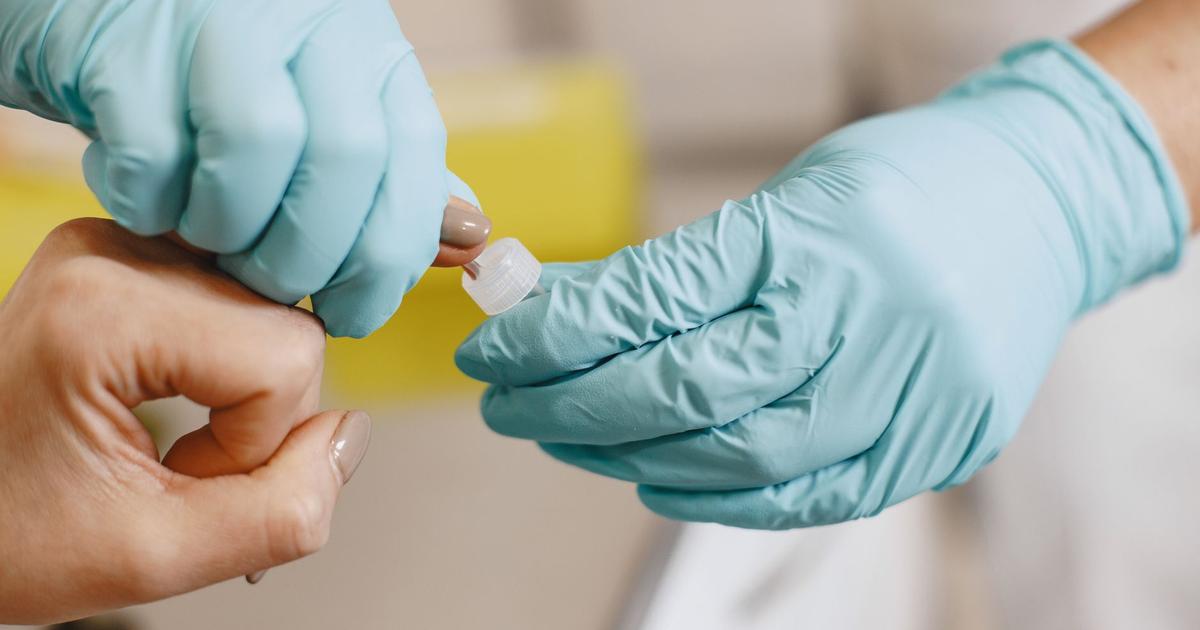
Every at-home hormone kit ships with the same implicit promise: prick your finger or spit in a tube, and get a lab-grade answer. That promise holds for some hormones and collection methods, and falls apart for others. A 2024 validation study found a finger-prick dried blood spot assay tracked serum testosterone with a correlation of r² = 0.9875 using LC-MS/MS (Gruenstein et al., Analytical Science Advances, 2024, retrieved 2026-09-06). A separate 2022 study found saliva samples correlated only weakly with a slower hormone reference for testosterone, progesterone, and especially cortisol (Stern et al., Comprehensive Psychoneuroendocrinology, 2022, retrieved 2026-09-06). Same category, wildly different reliability. This post breaks down which collection method earns trust, hormone by hormone, and where a kit result should send you to a clinician instead of a supplement aisle.
Medical disclaimer. I'm not a physician. This is personal research and general information, not medical advice. No test in this post diagnoses a hormone disorder. Talk to a doctor before starting hormone therapy or changing a medication based on a home result.
Affiliate disclosure. This post may contain affiliate links to some of the kits discussed below. If you buy through one, I may earn a commission at no cost to you. I have not personally used every kit named here — see "How I Compared These Kits" for the research-only methodology, which drove every claim, not any payout.
Bottom Line. (1) Collection method reliability depends on the hormone, not the brand: a good finger-prick dried blood spot assay can track serum testosterone almost as well as a venous draw, while saliva shows weak agreement for testosterone and progesterone, and close to none for cortisol against a slower reference. (2) No widely sold at-home hormone kit is FDA-approved as a diagnostic device — every one is framed as general wellness information. (3) Testosterone results depend more on when you collect the sample than which kit you buy: morning, fasted, two separate days. (4) An abnormal home result is a reason to call a clinician, not a diagnosis. (5) If a result sits near a decision threshold, or you're evaluating therapy, skip the kit and book a venous draw.
In this article:
- The Three Collection Methods, and Why They Don't Score the Same
- What a Home Panel Can Flag vs. What Needs a Clinician
- Kits Compared: What's Tested, Turnaround, and Cost
- Testosterone Specifically: Timing Beats the Kit
- When to Skip the Kit and Book a Blood Draw Instead
- How I Compared These Kits
- Frequently Asked Questions
The Three Collection Methods, and Why They Don't Score the Same
At-home hormone kits use one of three collection methods, and the science behind each one is not interchangeable, a fact that sits underneath every biohacking test-kit purchase decision.
Finger-prick dried blood spot. A lancet draws a few drops of blood onto absorbent paper, which air-dries and mails to a lab. When the lab uses liquid chromatography-tandem mass spectrometry (LC-MS/MS), a 2024 validation study found the method tracked serum testosterone with a correlation of r² = 0.9875, intra-day precision under 5%, and inter-day precision under 10% across a wide concentration range (Gruenstein et al., Analytical Science Advances, 2024, retrieved 2026-09-06). That's close to lab-draw quality, provided the lab actually runs LC-MS/MS rather than a cheaper immunoassay.
Saliva. Painless and easy to collect at home, but validity varies sharply by hormone. Averaged saliva samples correlated only moderately with averaged hair-hormone levels across two ovulatory cycles: progesterone at Spearman ρ = 0.48, testosterone at 0.38, and cortisol at 0.12, the last not statistically significant (Stern et al., Comprehensive Psychoneuroendocrinology, 2022, retrieved 2026-09-06). The same study flagged gum bleeding, smoking, food, caffeine, alcohol, and recent exercise or stress as real contamination risks in a home setting, not lab hypotheticals.

Venous draw. A phlebotomist takes blood from a vein, either at home by appointment or at a lab location. This is the reference method every other collection type gets validated against, which is exactly why it remains the fallback whenever a home result needs confirming.
What a Home Panel Can Flag vs. What Needs a Clinician
A home hormone panel is a screening tool, not a diagnosis. The FDA is explicit that most at-home tests are not approved as diagnostic devices, and companies selling them frame results as general wellness information rather than a medical test (FDA, Direct-to-Consumer Tests, retrieved 2026-09-06). That framing exists for a reason, not as a legal hedge: a single number, however precisely measured, still needs clinical context.
An abnormal home result is a reason to see a clinician, not a diagnosis. Symptoms, timing, medication history, and a second confirmatory test all belong in that conversation before any treatment decision. This holds even when the assay itself is accurate, because accuracy answers "what number did the lab measure," not "what does this number mean for you."
There's also a structural reason every legitimate kit mails your sample to a lab rather than reading it in your kitchen: CLIA prohibits any person from soliciting or accepting human specimens without a valid CLIA certificate when the results are used to diagnose, prevent, treat, or assess health (CMS, Over-the-Counter Home Testing and CLIA Applicability, retrieved 2026-09-06). If a kit's shipping label doesn't name a CLIA-certified lab, that's disqualifying on its own.
Cortisol is the one hormone where saliva gets closer to useful, though still short of excellent. In a pediatric cohort tested against the ACTH stimulation test, a 15 nmol/L salivary cortisol cutoff reached 73.9% sensitivity and 69.6% specificity, an AUC of 0.78 (Ciancia et al., Children (Basel), 2023, retrieved 2026-09-06). Fair-to-good, not a coin flip, but roughly one in four true cases would still be missed at that cutoff, and this was a children's clinical cohort, not adult at-home screening.

Kits Compared: What's Tested, Turnaround, and Cost
This is a research-based comparison of publicly listed specs and independent reviews, not hands-on testing of every kit named. I have not personally run each of these panels, so treat the picks below as documented facts to check against your own state's testing rules, not a ranked recommendation.
- Everlywell Testosterone Test — finger-prick dried blood spot, $69, results in 2-5 business days through Everlywell's CLIA-certified labs; the company's own instructions call for a morning sample (Everlywell, retrieved 2026-09-06).
- Labcorp OnDemand Total Testosterone — an in-person blood draw at a Labcorp location, not a finger-prick, $69, the fastest listed turnaround at 1 day from when the sample reaches the lab (Labcorp OnDemand, retrieved 2026-09-06).
- LetsGetChecked Female Hormone — finger-prick blood spot, $79, 2-5 day turnaround, measuring FSH, LH, prolactin, and estradiol rather than testosterone alone (LetsGetChecked, retrieved 2026-09-06).
- Quest Testosterone Level Test — an in-person blood draw at a Quest Diagnostics location or via Quest Mobile, $69 plus a $6 physician-review fee, 3-5 day turnaround (Quest Diagnostics, retrieved 2026-09-06).
- Verisana Testosterone Test — saliva collection, $49.95 with free shipping, turnaround not published on the product page beyond "results uploaded when ready" (Verisana, retrieved 2026-09-06).

Only two of these five collect at home with a lancet; the other two send you to a Quest or Labcorp location for an actual venous draw, and one uses saliva. Four of the five report a single-hormone or narrow panel; only LetsGetChecked's female hormone kit runs a broader female-cycle panel. None publish their lab's specific assay method (immunoassay versus LC-MS/MS) on the product page, which is the detail that would actually distinguish accuracy between two otherwise-similar finger-prick kits.
Personal data — pending measurement. This section will carry my own side-by-side test: a finger-prick dried blood spot and a venous draw, both collected the same morning and sent to two different CLIA-certified labs. It will report the percent difference between the two testosterone results and whether that gap changes on a same-week retest. Not filled in yet; I publish it once measured, not before.
Testosterone Specifically: Timing Beats the Kit
Serum testosterone follows a diurnal rhythm, peaking in the morning, and the Endocrine Society's clinical practice guideline recommends drawing fasting total testosterone between 7 and 10 AM, on two separate mornings, before diagnosing hypogonadism (Bhasin et al., Endocrine Society Clinical Practice Guideline, Journal of Clinical Endocrinology & Metabolism, 2018, retrieved 2026-09-06). That protocol exists because a single afternoon sample can read meaningfully lower than the same person's morning value, independent of any assay error.
Most kits let you collect a sample whenever it arrives in the mail, at whatever hour suits your schedule. Nothing stops you from applying the clinical protocol yourself: collect fasted, before 10 AM, and repeat once before trusting a borderline number. A perfectly accurate assay run on a 4 PM sample still answers the wrong question for a hypogonadism screen.
This same logic explains why a single biological age test reading, hormone panel included, is a data point rather than a verdict: one sample, one moment, one context.
When to Skip the Kit and Book a Blood Draw Instead
- The result sits near a clinical decision threshold. A borderline low testosterone or high TSH needs a lab-grade confirmation before it changes anything.
- You're evaluating hormone therapy. Starting or adjusting TRT, thyroid medication, or HRT deserves a full blood biomarker testing workup with a prescriber, not a mail-in kit.
- The hormone you care about is progesterone, estradiol, or cortisol, and you want precision. Saliva's weak correlation with these three makes a venous draw the safer default.
- You have symptoms that don't match the result. Fatigue, low libido, or cycle irregularity alongside a "normal" home reading is still worth a clinician visit.
- You're monitoring an existing diagnosis. Ongoing thyroid or hormone-replacement management belongs with the clinician who is already tracking your case.
How I Compared These Kits
I reviewed five publicly available at-home hormone kits using each company's own current product pages and the peer-reviewed literature on collection-method accuracy cited throughout this post. I did not run a hands-on comparison test across all five kits myself, and I say so plainly rather than implying otherwise. No kit maker paid for placement or influenced the ranking order, and any affiliate link above pays the same regardless of which kit a reader picks.
Frequently Asked Questions
Are at-home hormone tests accurate?
It depends on the hormone and the collection method. A well-run finger-prick dried blood spot assay can approach venous-draw accuracy for testosterone. Saliva is weaker across the board and closer to non-informative for cortisol against a slower reference (Stern et al., 2022, retrieved 2026-09-06).
Is saliva or blood spot more accurate for hormone testing?
Blood spot, when the lab uses LC-MS/MS rather than a basic immunoassay. The 2024 validation study behind that method reported a correlation of r² = 0.9875 with serum testosterone (Gruenstein et al., 2024, retrieved 2026-09-06), a level saliva methods have not matched in the hormones studied here.
Can I get testosterone replacement therapy from an at-home test result alone?
No responsible prescriber starts TRT from one home reading. Endocrine Society guidance calls for two separate morning fasting draws before diagnosing hypogonadism (Bhasin et al., 2018, retrieved 2026-09-06), and a home kit result should be the reason you book that clinical workup, not a substitute for it.
Collection method, not brand name, decides whether an at-home hormone result is worth trusting. A finger-prick dried blood spot run on LC-MS/MS gets closest to venous-draw quality; saliva stays weak for testosterone and progesterone, and close to uninformative for cortisol against a slower reference. Time the sample like a clinician would, and treat any abnormal number as a reason to call one, not a diagnosis you've already made yourself.
About this guide. Written by Nate Harmon, an operator and self-experimenter documenting personal protocols in biology for Peak Human Ops. Not a physician or a licensed adviser. Sources are tier 1-3 peer-reviewed studies, the FDA, CMS, and each company's own pricing and methodology pages, linked inline with a retrieval date. This post may contain affiliate links, disclosed above the fold. How this site is written and corrected is set out in the editorial policy and the corrections log. Who is behind it is on the about page, and you can contact me directly.