
Biohacking
How to Sleep Better at Night, Naturally: A Step-by-Step Protocol
A step-by-step, non-pharmaceutical protocol for falling asleep faster and staying asleep, ordered by evidence and effect size, not folklore.
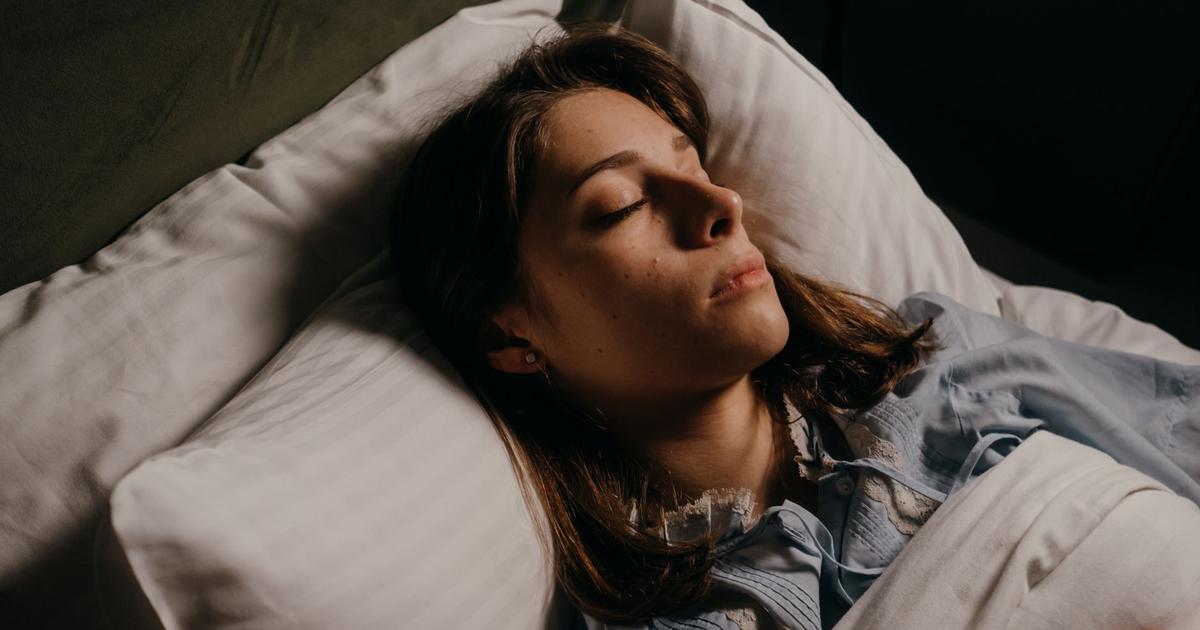
People with the most consistent sleep-wake timing have roughly a 30% lower risk of dying from any cause than the least consistent (SLEEP, Windred et al., 2024, retrieved 2026-09-06). That's independent of hours slept. That single number should reorder most "sleep hygiene" advice, and it's why this protocol doesn't start with screens or chamomile tea. This is the step-by-step, non-pharmaceutical version of my own biohacking sleep protocol. Each step is ordered by expected effect size, with its evidence tier stated plainly, not by folklore.
Medical disclaimer. I'm not a physician. This is personal research and general information, not medical advice. If you have a diagnosed sleep disorder, take sedating medication, or suspect sleep apnea, talk to a doctor before changing your routine.
Bottom Line. (1) A fixed wake time, seven days a week, has the strongest population-level evidence of anything in this protocol and comes before any bedtime rule. (2) Ten to thirty minutes of outdoor light within an hour of waking measurably shifts your circadian timing earlier. (3) The pre-sleep wind-down that works is behavioral consistency, not blue-light-blocking glasses, which show no significant effect in trials. (4) Caffeine and bedroom temperature are the two variables with real dose-response data that most people still get wrong. (5) Run all four for 4-6 weeks; if it's still not fixed, try a targeted supplement or a medical check, not a fifth habit.
Step 1: Anchor Your Wake Time Before You Touch Bedtime
Evidence tier: strong (large prospective cohort). Most advice starts with bedtime. Start with wake time instead, because it's the anchor your circadian system actually uses to set everything else.
A 2024 study tracked over 10 million hours of accelerometer data from 60,977 UK Biobank participants. It scored each person's Sleep Regularity Index (SRI): how consistent their sleep-wake timing was, night to night. Comparing the most regular quintile to the least regular, higher regularity was linked to a 30% lower risk of all-cause mortality. Cardiometabolic mortality risk was 38% lower. The SRI predicted mortality better than total sleep duration did (SLEEP, Windred et al., 2024, retrieved 2026-09-06).
This is a cohort study, not a randomized trial. It shows association, not proof that fixing your wake time alone extends your life. But the mechanism is well understood: a wandering wake time drags your circadian clock around with it. Every other lever in this article works better once that clock stops moving. Pick a wake time you can hold within 30-60 minutes, seven days a week, including weekends, before you touch anything else. This is the first lever in my own sleep optimization framework, not an afterthought to it.

Personal data — pending measurement. This section will carry my own Sleep Regularity Index. I'm tracking it via wearable over 8 weeks against a fixed 6:30 a.m. wake time. That gets compared to the prior 8 weeks of my actual, irregular schedule. Not filled in yet: I publish it once the 16-week comparison is logged, not before. A sleep tracker worth trusting for this matters more here than for any other metric in this article.
Step 2: Get Real Morning Light, Then Dim Everything Before Bed
Evidence tier: moderate (large observational study, dose-response). Once your wake time is fixed, light is what teaches your circadian clock to treat that time as "day starts here."
A 2025 study of 1,762 adults found a clear dose-response relationship. Every extra 30 minutes of morning sun before 10 a.m. was linked to an earlier sleep midpoint, by about 23 minutes (BMC Public Health, de Menezes-Júnior et al., 2025, retrieved 2026-09-06). An earlier midpoint means more circadian-aligned timing. Afternoon and evening exposure showed weaker, less consistent associations.
The practical version: get 10-30 minutes outside, no sunglasses, within an hour of waking, even on cloudy days. Outdoor light is still far brighter than any indoor bulb. Then dim the lights in your home starting 90 minutes before your target bedtime. This isn't the same claim as "avoid screens," a different, weaker-evidenced idea covered next.
Step 3: Build a Wind-Down Routine That Isn't Just "No Screens"
Evidence tier: weak for the screen-specific mechanism; the behavioral version is well established. Most sleep advice tells you to avoid screens because of blue light. The evidence for that specific mechanism is thinner than the advice suggests.
A November 2025 systematic review and meta-analysis pooled 3 randomized crossover trials (49 adults total) testing blue-light-blocking glasses against actigraphic sleep outcomes. It found no significant improvement in sleep onset latency, total sleep time, sleep efficiency, or time awake after sleep onset (Frontiers in Neurology, 2025, retrieved 2026-09-06). Blocking blue wavelength alone doesn't appear to be the lever people think it is.
What plausibly does help is behavioral: a consistent, low-arousal routine your brain learns to associate with sleep, no matter what device is nearby. Pick 20-30 minutes of the same low-stimulation activity each night, at the same time, before bed. Reading, stretching, or a shower works; doomscrolling or a tense show doesn't. That's not because of the screen's light, but because of what it does to arousal and attention. Keep your bed for sleep only, not for working or scrolling in either direction.
Step 4: Fix the Two Variables Everyone Underrates: Caffeine and Temperature
Evidence tier: strong (randomized crossover trials with dose-response data). These get less attention than screens, despite better trial evidence.
Caffeine. A 2024 randomized crossover trial gave 23 adults 100 mg or 400 mg of caffeine at 4, 8, or 12 hours before bed. The 100 mg dose showed no significant effect on sleep at any timing tested. The 400 mg dose reduced sleep efficiency by 9.5 percentage points at 4 hours before bed, and by 6.9 points at 8 hours before bed. At 12 hours, the effect was no longer statistically significant (SLEEP, 2024, retrieved 2026-09-06). Translation: dose matters more than the blanket "no caffeine after noon" rule implies. A large coffee within 8 hours of bed is doing more damage than most people assume.

Temperature. A 2025 observational study of 47 older adults tracked 14,179 nighttime hours across an Australian summer. Compared to bedrooms under 24°C (75°F), the odds of a clinically relevant drop in heart rate variability rose as the room got warmer. Above 28°C (82°F), the odds were nearly 3 times higher (BMC Medicine, O'Connor et al., 2025, retrieved 2026-09-06). Your core body temperature naturally declines through the night. One 2025 study measured a 0.3°C drop by the middle of a night's sleep, in 32 healthy men (Physiological Reports, 2025, retrieved 2026-09-06). A room that's too warm blunts that decline directly. Target 60-67°F (15.5-19.4°C), and let it run cooler than feels ideal at first. If you already own a ring or band, a warm-room night is one of the more common causes behind an unexplained dip in HRV.

The one people miss entirely: alcohol. A 2024 trial gave 30 adults a moderate dose before bed on three consecutive nights. REM sleep dropped by roughly 11 minutes on the first night. That effect shrank to about 4 minutes by the third night, as the body adapted (SLEEP, 2024, retrieved 2026-09-06). A nightcap that "helps you fall asleep" is trading sleep architecture for sedation. The trade is worst on the first night, not the tenth.
Step 4 targets, at a glance:
- Caffeine: last dose 8+ hours before bed if it's a large one (≥400 mg); a small dose (100 mg) is fine closer to bedtime.
- Bedroom temperature: 60-67°F (15.5-19.4°C), cooler than feels ideal at first.
- Alcohol: treat it as a sedative that costs REM sleep, not a sleep aid, worst on the first night of use.
When Natural Methods Aren't Enough: What to Check Next
Give this protocol 4-6 weeks before judging it; sleep timing and light exposure both act on a system that adjusts gradually, not overnight. Say you've held a fixed wake time, fixed your light exposure, built a wind-down routine, and cleaned up caffeine, alcohol, and temperature. If you're still not sleeping well, the next step isn't another habit.
Two patterns are worth a doctor's attention specifically:
- Loud snoring with gasping, or witnessed pauses in breathing. That's a sleep apnea screening question, not a lifestyle one.
- Insomnia 3 or more nights a week for over 3 months, despite consistent effort. That's the clinical threshold for chronic insomnia disorder under ICSD-3 (StatPearls/NCBI Bookshelf, 2025, retrieved 2026-09-06), the point where CBT for insomnia becomes the recommended first-line treatment.
If it's closer to "I do everything right and still take too long to fall asleep," try the strongest natural sleep aid options next, before medication.
Frequently Asked Questions
What is the single most effective natural way to sleep better?
By population-level evidence, a fixed wake time held seven days a week has the strongest association with better outcomes. The most regular group had a 30% lower all-cause mortality risk than the least regular group (SLEEP, Windred et al., 2024, retrieved 2026-09-06). It's also free and takes zero extra time, unlike most of what gets marketed as a sleep fix.
Do blue-light-blocking glasses actually work?
The best available trial evidence says no, at least not through the blue-light mechanism they're sold on. A 2025 meta-analysis of 3 randomized trials found no significant improvement on any actigraphic sleep measure (Frontiers in Neurology, 2025, retrieved 2026-09-06). A consistent low-arousal wind-down routine has better support than the glasses do.
Fix your wake time first: it's the one lever the evidence says outweighs the rest. Add morning light, a real wind-down routine instead of a blue-light rule, and a caffeine, alcohol, and temperature cleanup. Give the combination a month before adding anything else. Most of what actually moves this number is free.
About this guide. Written by Nate Harmon, an operator and self-experimenter documenting personal protocols in biology for Peak Human Ops. Not a physician or a licensed adviser. Sources are tier 1-3 peer-reviewed studies, each linked inline with a retrieval date. How this site is written and corrected is set out in the editorial policy and the corrections log. Who is behind it is on the about page, and you can contact me directly.